
May 2026
Why process changes flavour
The cherry, the mucilage, the drying bed — and why the same coffee can taste like four different things.
Read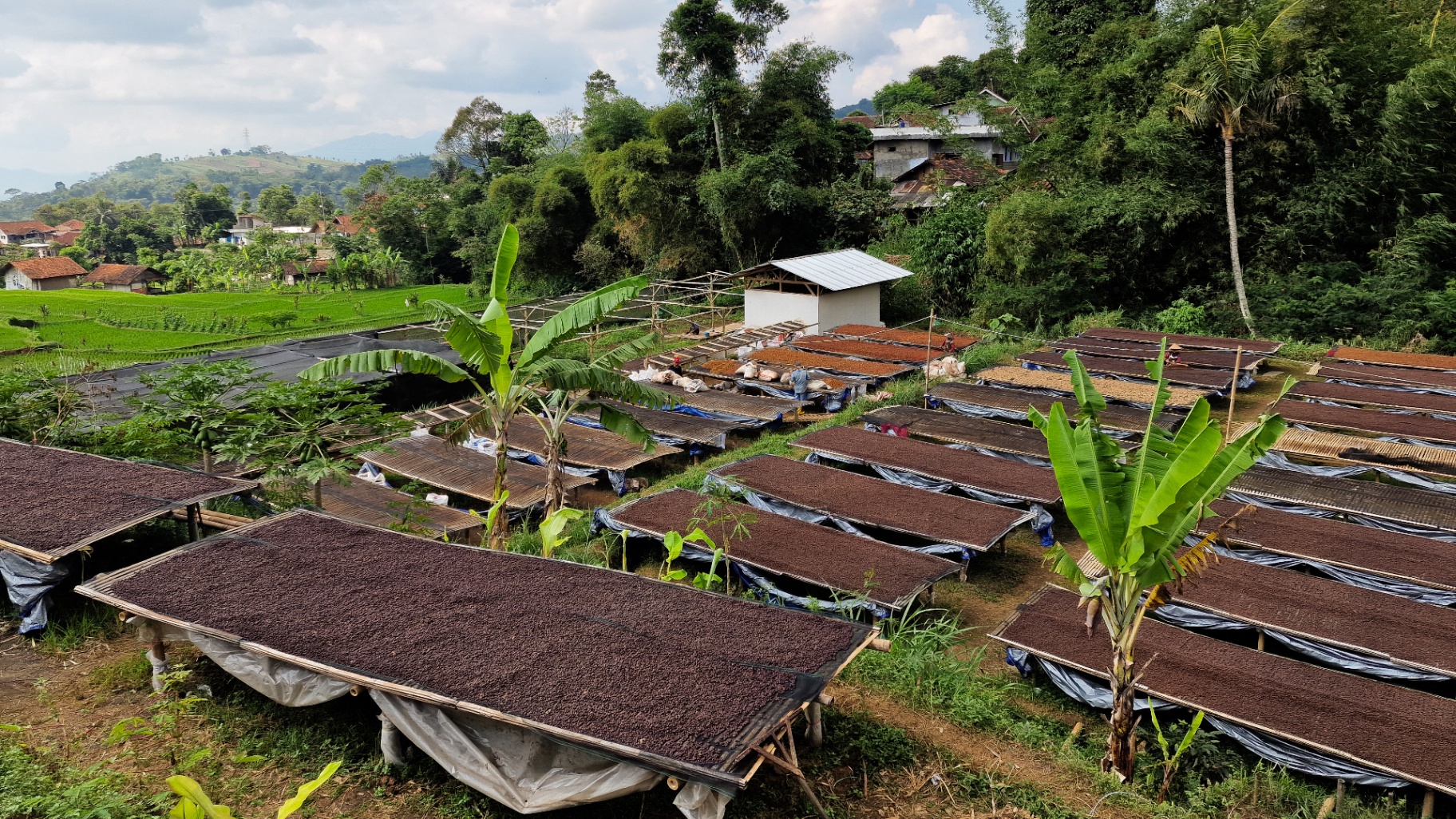
Origin
01
Too much coffee leaves origin as a sentence on a label and arrives as something else entirely. Origin Collective puts process, provenance, and the people behind the coffee back at the centre of the bag.
This is a working method: source carefully, roast in small batches, sort what reaches the cup, and keep the chain short enough to talk about.
02
Founder
Alexander was born in Rotterdam to travelling artists and filmmakers, and grew up between England, Canada, Spain, and California before returning to the Netherlands to study. He learned retail excellence at Apple, then led project management across IT operations and sales before becoming an entrepreneur. His deepest work is in circularity.
Specialty coffee found him in early 2025. For a year he worked with Rayana Coffees to help develop their signature Rayana Roast — a boutique brand built around an authentic Indonesian experience. That year of festivals, roaster conversations, and cupping deepened his connection to Indonesian coffee.
Origin Collective is his own take on it. After many iterations he settled on a light-to-medium roast pulled at first crack and held there for full development of the Indonesian flavours — flavours that keep building with time. The coffee really starts to shine about two weeks after roasting, which is why we guarantee a two-week-fresh window to every B2B partner.
Every coffee is also colour sorted after roasting, so any inconsistency the eight-person quality control team at the farm might have missed is filtered out before it reaches a cup. That attention to detail — roasted in Rotterdam, with respect for the origin and the people who grew the coffee — is what Origin Collective is built on. Product excellence first.
03 · Indonesia
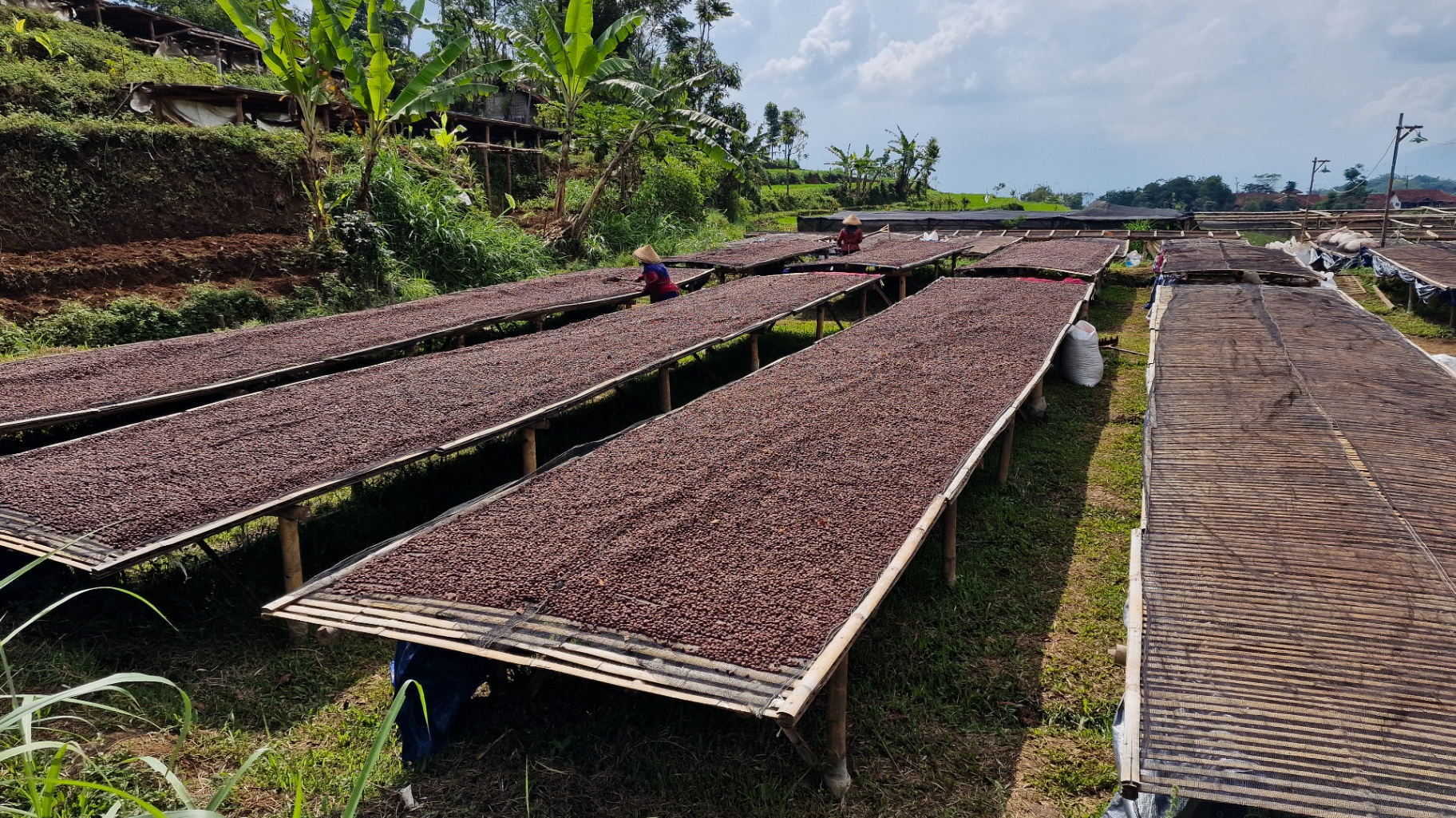
Wanoja has been growing coffee in the volcanic highlands around Kamojang since 1956. The farm is recognised for competition-grade Arabica and for offering nine distinct processing methods on the same beans, which is rare at any scale.
The current collection draws three Arabicas from the same farm and harvest, processed three different ways, with a fine Robusta from South Sumatra alongside.
Sumatra
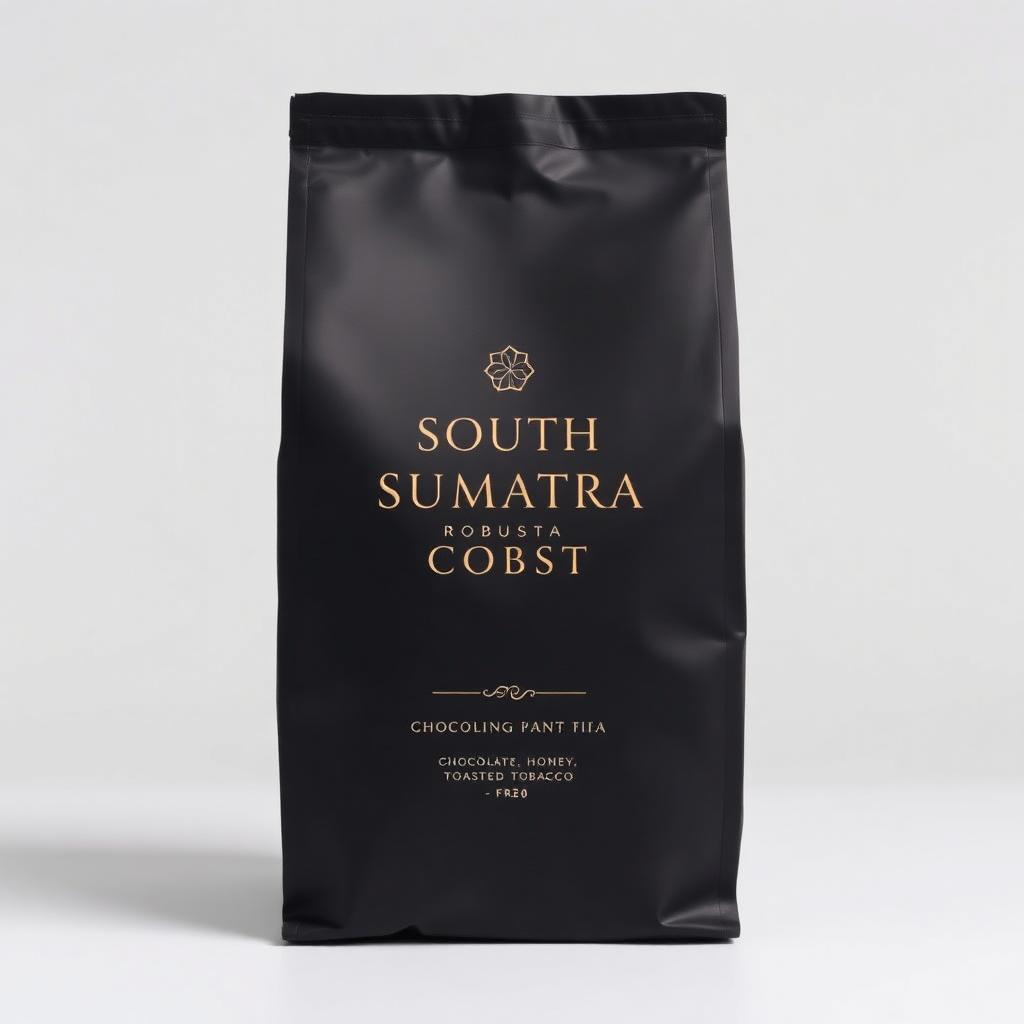
South Sumatra has long been one of Indonesia's largest Robusta regions. The cup carries body and low acidity, with a cocoa finish that holds up to milk.
Our South Sumatra lot is semi-washed at origin and selected for cup clarity. Fine Robusta, treated as a coffee in its own right.
04
We add origins as relationships and quality allow. Indonesia is the first chapter. New regions follow as the producer, the process, and the cup all line up.
05
We roast in artisan 25 kg batches, close to the moment of ordering. After roasting, each batch is colour sorted to remove visual defects.
The result is a cleaner, more consistent cup that holds the character of the origin. You receive coffee that is fresh by definition.
06
Origin Collective works with SourceLoop, a digital product passport for coffee. Every lot is tied to a geolocated fingerprint of the bean and graded with the Kaldi Score — an unbiased, independent quality score that travels with the coffee from farm to cup.
This works in two directions. Customers get high-quality coffee with open access to who grew it and how it was processed. Suppliers get practical tools for EUDR, ESG and LCA reporting, farm imagery, and the other frameworks buyers increasingly ask for, all through SourceLoop.org.
Process-led
The same origin can become clean and bright, winey and fruit-forward, sweet and layered, or bold and full-bodied.
Clean, bright, precise. Cherries are depulped and washed before drying, which strips fruit influence and leaves clarity and structure.
Fruit-forward, aromatic, winey. Cherries dry intact with the fruit on, deepening sweetness and pushing flavour toward berry and stone fruit.
Sweet, rounded, layered. Most of the mucilage is left on the bean during drying, adding body and brown-sugar character without full fruit dominance.
Bold, creamy, intense. A faster wet-hull process common in Indonesia, producing a low-acid, full-bodied cup with chocolate and roasted nut.
Journal